
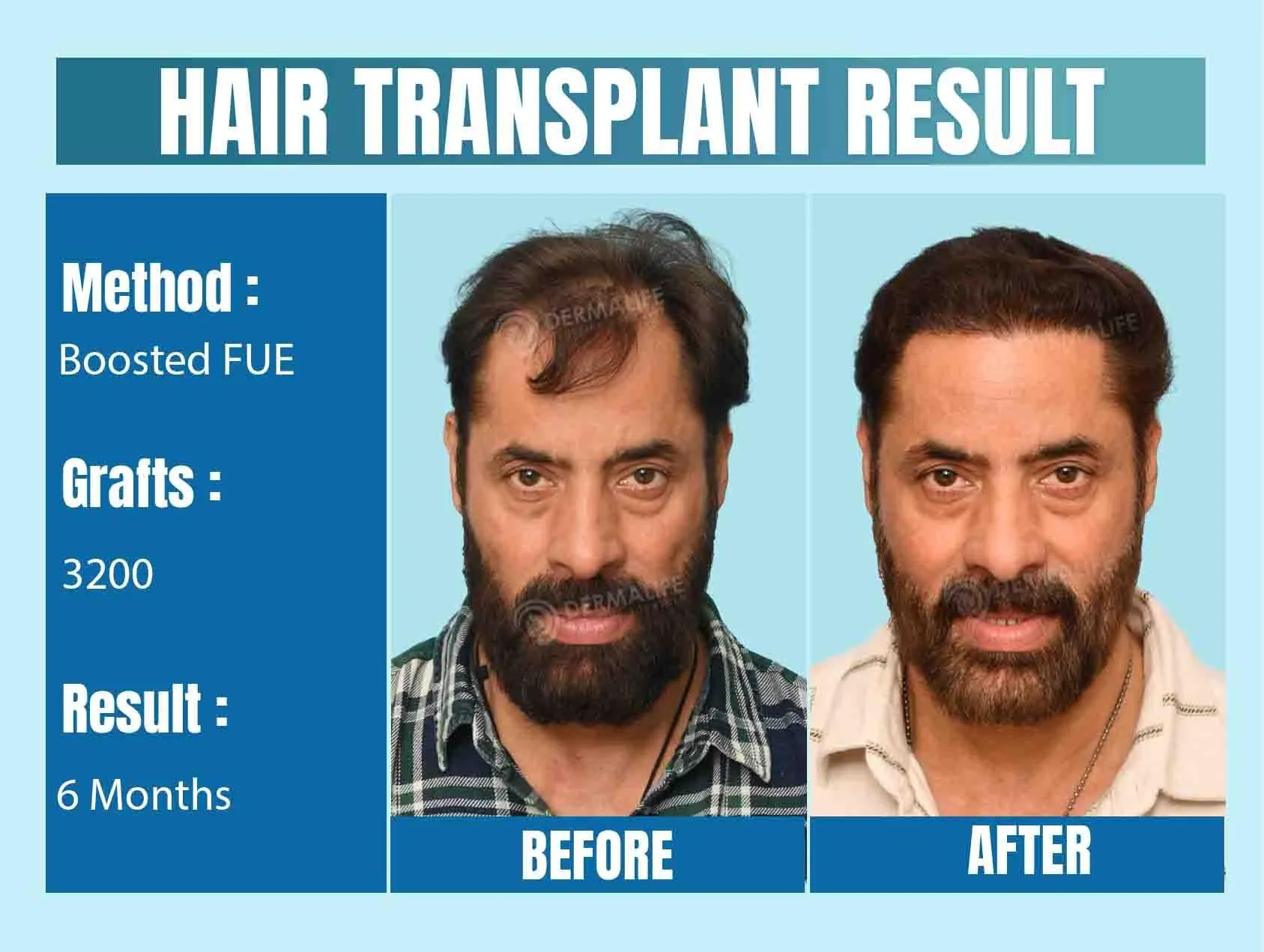
Hair transplantation has evolved significantly over the years, with modern techniques allowing doctors to restore hair in patients experiencing different patterns of hair loss. However, the quality of a hair transplant depends on much more than the instruments or technique used. The surgeon’s medical knowledge, practical experience, surgical judgment, and understanding of natural hair growth all play important roles.
But what actually makes a hair transplant surgeon an expert?
An expert surgeon is not simply someone who performs a large number of procedures. It is a doctor who can assess individual patients, plan treatment responsibly, manage donor resources, and understand the limitations of surgical hair restoration.
1. Strong Medical Foundation
A hair transplant surgeon should have appropriate medical qualifications and a strong understanding of hair and scalp disorders.
Hair loss can occur due to several causes, including androgenetic alopecia, inflammatory scalp conditions, nutritional deficiencies, and other medical disorders.
A doctor with a sound dermatological or relevant surgical background can evaluate these conditions and determine whether a patient is suitable for transplantation.
This distinction is important because not every type of hair loss should be treated surgically. Some patients may require medical treatment or further investigation before considering a transplant.
2. Specialised Training in Hair Transplant Surgery
Hair transplantation requires specialised practical training beyond general medical education.
A surgeon must understand follicular unit anatomy, extraction methods, graft preservation, recipient-site creation, implantation angles, and donor area management.
Training under experienced hair restoration professionals can help develop the technical skills required for different types of procedures.
Patients should look beyond certificates and ask how the surgeon applies this training in clinical practice.
3. Practical Surgical Experience
Experience helps a surgeon recognise the differences between routine and complex hair transplant cases.
For example, a patient with mild hairline recession may require a different approach from someone with extensive baldness, weak donor density, or a previous unsuccessful transplant.
An experienced surgeon should be able to assess:
-
Different stages of male and female pattern hair loss
-
Hairline and temple reconstruction
-
Crown restoration
-
Donor area limitations
-
Unshaven hair transplant requirements
-
Corrective hair restoration
-
Long-term progression of hair loss
The ability to manage complex cases is an important part of surgical expertise.
4. Understanding Natural Hairline Design
Hairline design is one of the most visible aspects of a hair transplant.
An expert surgeon considers facial structure, age, existing hair characteristics, natural asymmetry, and the likelihood of future hair loss before designing a new hairline.
A natural hairline is not necessarily perfectly straight or extremely dense. It should blend with the patient’s facial proportions and existing hair.
The surgeon must also select suitable grafts and place them at appropriate angles and directions. Single-hair follicular units are generally used along the frontal edge to create a softer transition.
5. Responsible Donor Area Management
The donor area provides the hair follicles used during transplantation. Since this supply is limited, it must be managed carefully.
A skilled surgeon evaluates donor density, hair calibre, follicular unit distribution, and the amount of hair that can reasonably be extracted.
Overharvesting can result in visible thinning, uneven extraction patterns, and reduced options for future treatment.
This is particularly important for younger patients, whose hair loss may continue to progress after the first procedure.
An expert surgeon plans not just for the immediate result but also for the patient’s long-term restoration needs.
6. Knowledge of FUE and Graft Handling
Follicular Unit Extraction, or FUE, involves extracting individual follicular units from the donor region before implanting them into areas affected by hair loss.
The process requires careful handling because follicular units can be damaged during extraction, storage, and implantation.
A surgeon should understand how to minimise unnecessary trauma, maintain appropriate graft handling conditions, and coordinate the surgical team.
Some clinics also offer specialised approaches to FUE. Dermalife Skin & Hair Clinic, for example, offers Boosted FUE, a clinic-specific approach using specialised extraction instruments and a technique described by the clinic as the “No Root Touch Method”.
The surgeon should be able to explain the method, its intended advantages, and its limitations rather than relying on the technique’s name as a marketing claim.
7. Ability to Manage Hair Transplant Complications
Expertise is also reflected in how a surgeon identifies and manages complications.
Hair transplantation may involve risks such as infection, bleeding, scarring, poor growth, temporary shock loss, and unnatural hair direction. Outcomes can also be affected by individual healing and biological factors.
A responsible surgeon explains these risks before surgery and has a clear plan for appropriate medical management if problems occur.
No surgical procedure should be described as completely risk-free.
8. Experience With Hair Transplant Repair
Corrective hair transplantation can be more demanding than a primary procedure.
Patients may seek repair because of an unnatural hairline, poor graft placement, visible scarring, or excessive donor extraction.
These cases require careful assessment of the remaining donor supply, previous surgical changes, scar tissue, and realistic possibilities for improvement.
A surgeon experienced in repair procedures should be able to explain what can be corrected and what limitations may remain.
9. Patient Communication and Ethical Treatment Planning
An expert surgeon should communicate clearly and avoid unrealistic promises.
Patients should receive an explanation of the expected graft requirement, likely coverage, surgical process, recovery timeline, possible risks, and long-term considerations.
The doctor should also be willing to advise against surgery when it is not medically appropriate.
A recommendation based on the patient’s actual needs is more valuable than a high graft count or an aggressive treatment package.
10. Continuous Professional Development
Hair restoration continues to develop through research, surgical training, and professional discussions.
Surgeons who participate in relevant conferences, workshops, professional associations, and academic activities can stay informed about developments in the field.
However, attendance at events or professional memberships should be considered alongside actual clinical experience and patient outcomes.
The Role of Surgeon Expertise in Hair Restoration
Dr. Gaurav Garg, Founder and Director of Dermalife Skin & Hair Clinic in South Delhi, is a dermatologist and hair transplant surgeon with postgraduate training from Seth GS Medical College and KEM Hospital, Mumbai.
His additional training includes an international fellowship in hair transplant surgery in Israel and advanced dermatology, dermatosurgery, and laser training in Singapore.
Dermalife offers FUE and its specialised Boosted FUE approach, as well as unshaven hair transplantation, selected beard hair transplant procedures, and corrective hair restoration. The clinic provides free consultations for patients seeking an assessment of their hair loss and treatment options.
Final Thoughts
A hair transplant surgeon’s expertise is reflected in medical knowledge, specialised training, surgical judgment, donor management, natural hairline design, and the ability to handle complex cases.
Patients should evaluate these factors carefully instead of relying only on advertising, celebrity associations, or claims of high graft numbers.
Ultimately, an expert surgeon is one who understands both the possibilities and limitations of hair restoration and develops a treatment plan that prioritises the patient’s long-term interests.
